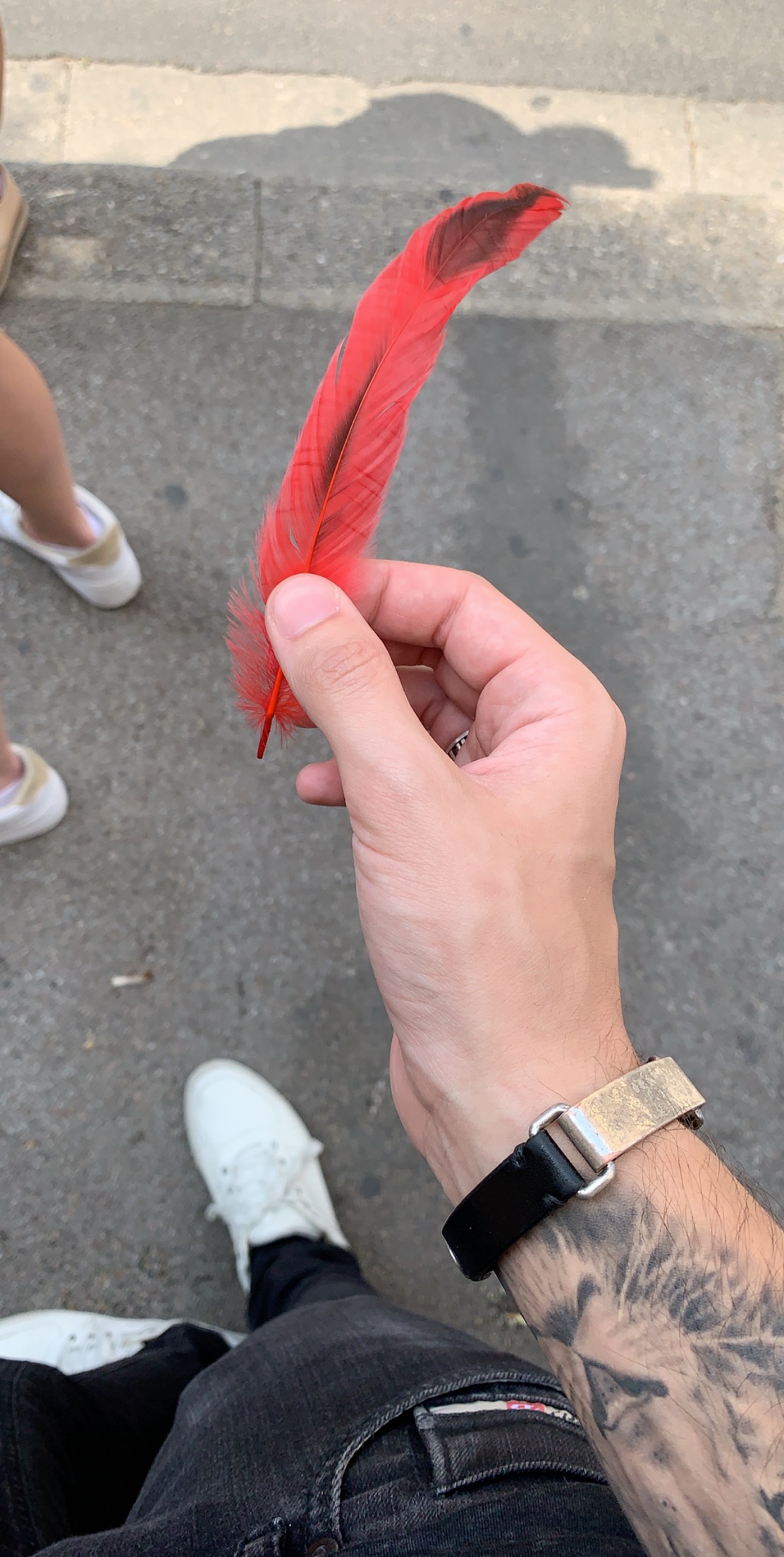
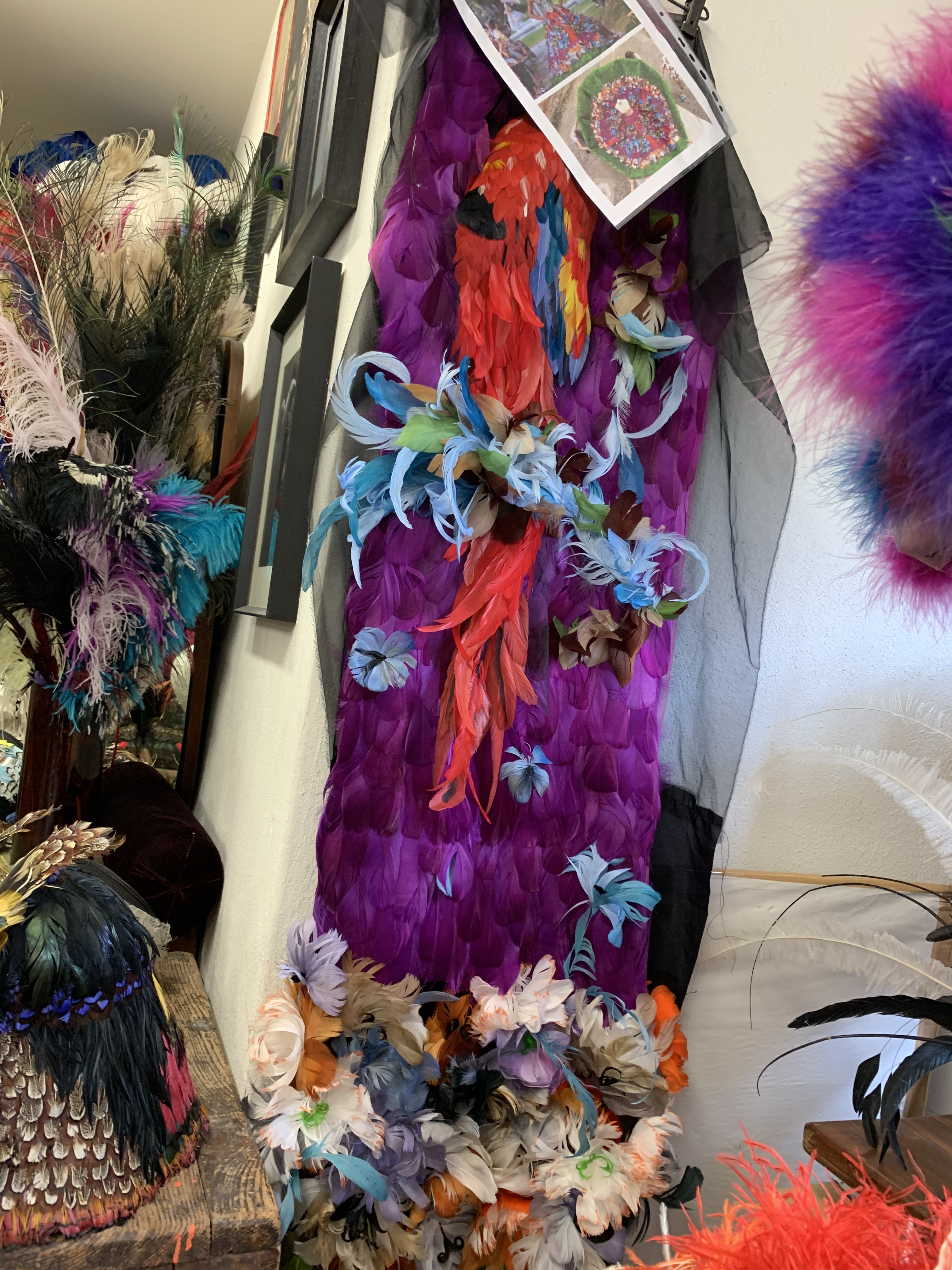
The REAL final visit in my Johnson & Wales class was at Mazzanti Piume. This trip was by far one of my favorite places! Not centrally located in Florence like many other visits, Mazzanti Piume is a manufacturer of bird feathers in fashion. They cater to many different high-end designers, including but not limited to Chanel, Gucci, and Dolce & Gabbana.
The Manufacturing
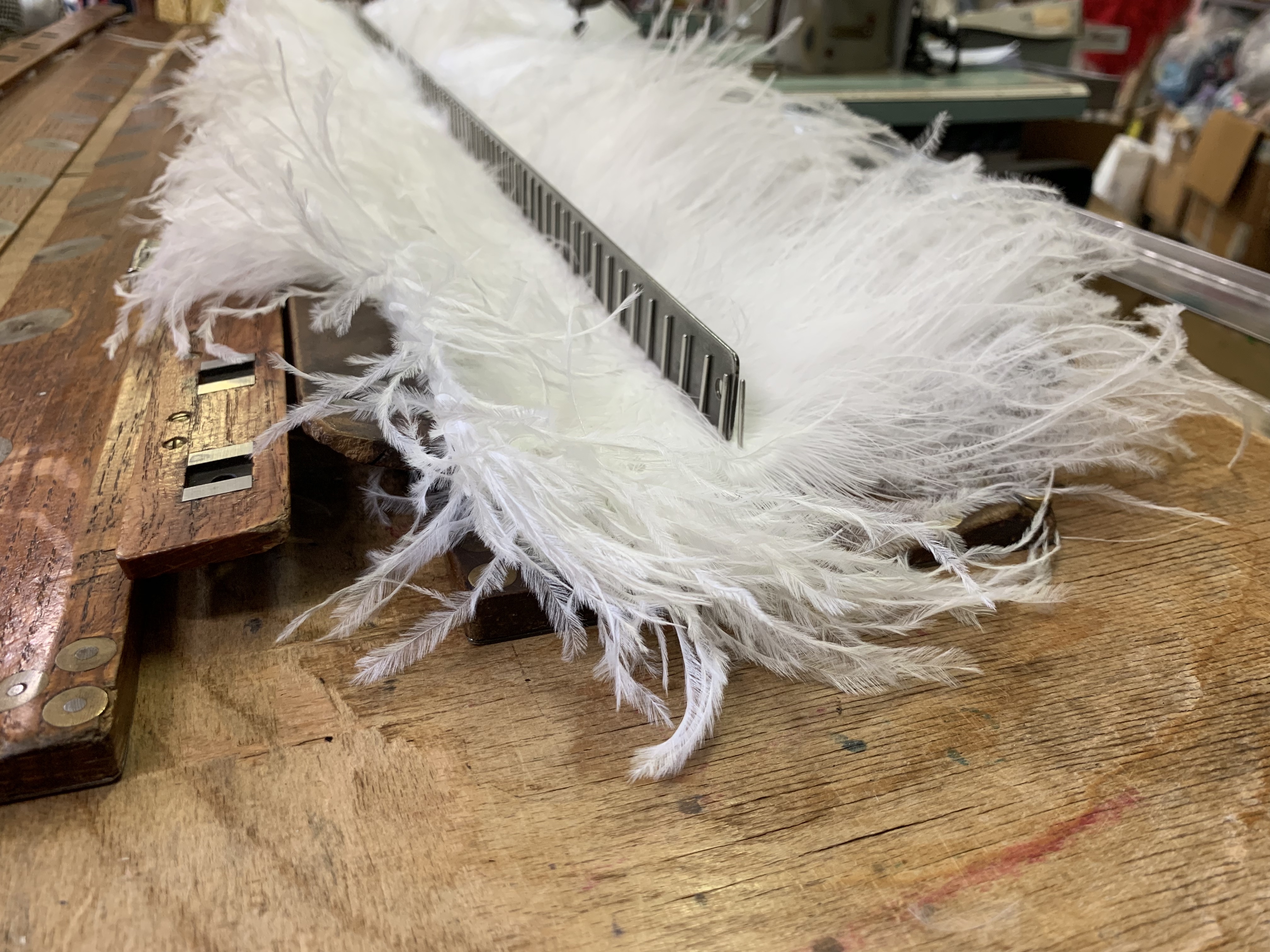
The feather accessory production process is rather simple. Unfortunately I was not able to take the best photos of workers handling the feathers in respect of the company’s photo policy. Although, the simple process is can be explained in words. The feathers are deconstructed from its original state, taken into one of these handmade older machinery, and magic happens when our guide and third generation owner ran some straight edge object across attaching all the feathers into one strand. We went into another room where the strand was spiralized, and developed into one long almost complete piece.
Photo Ops
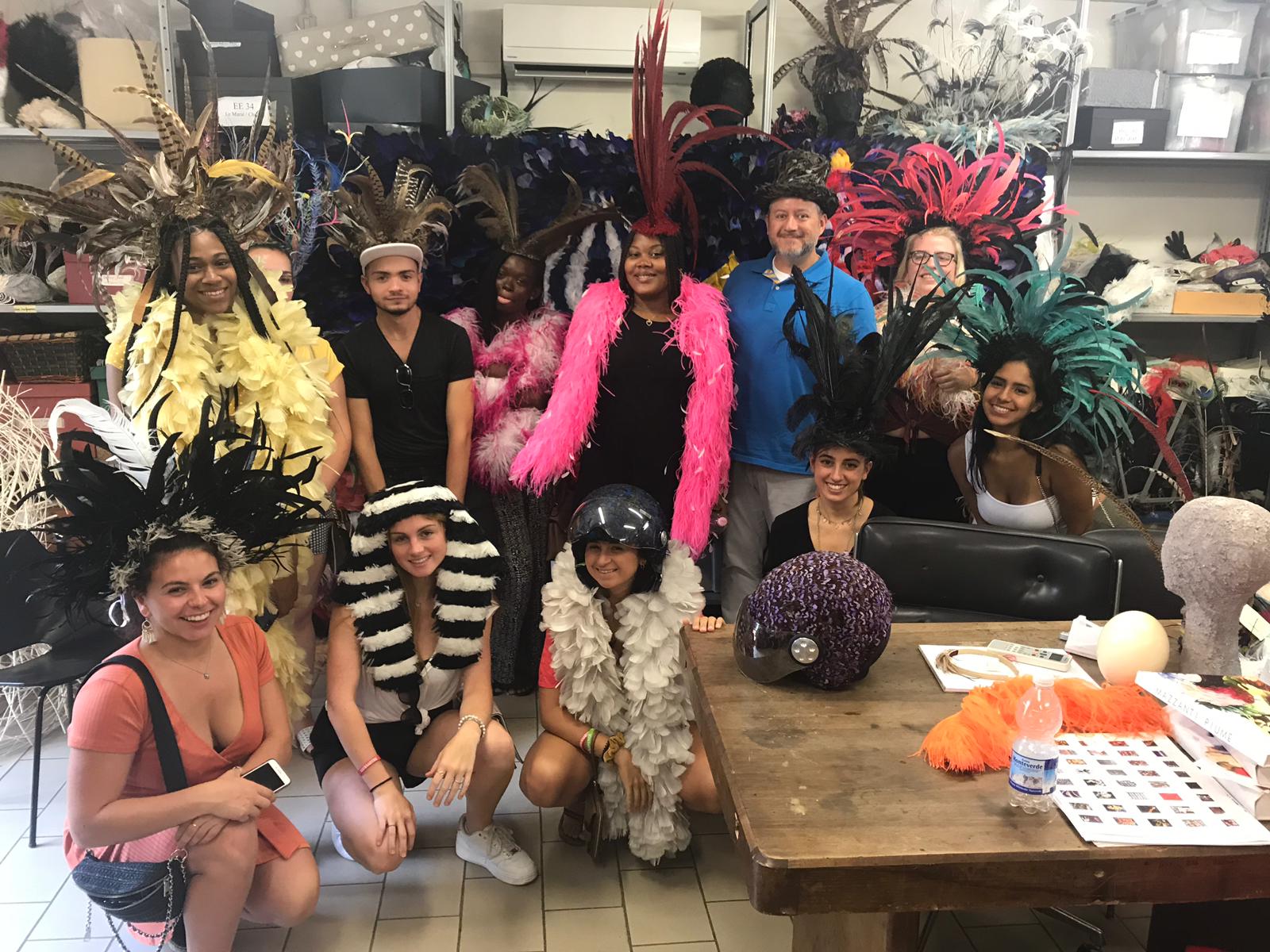
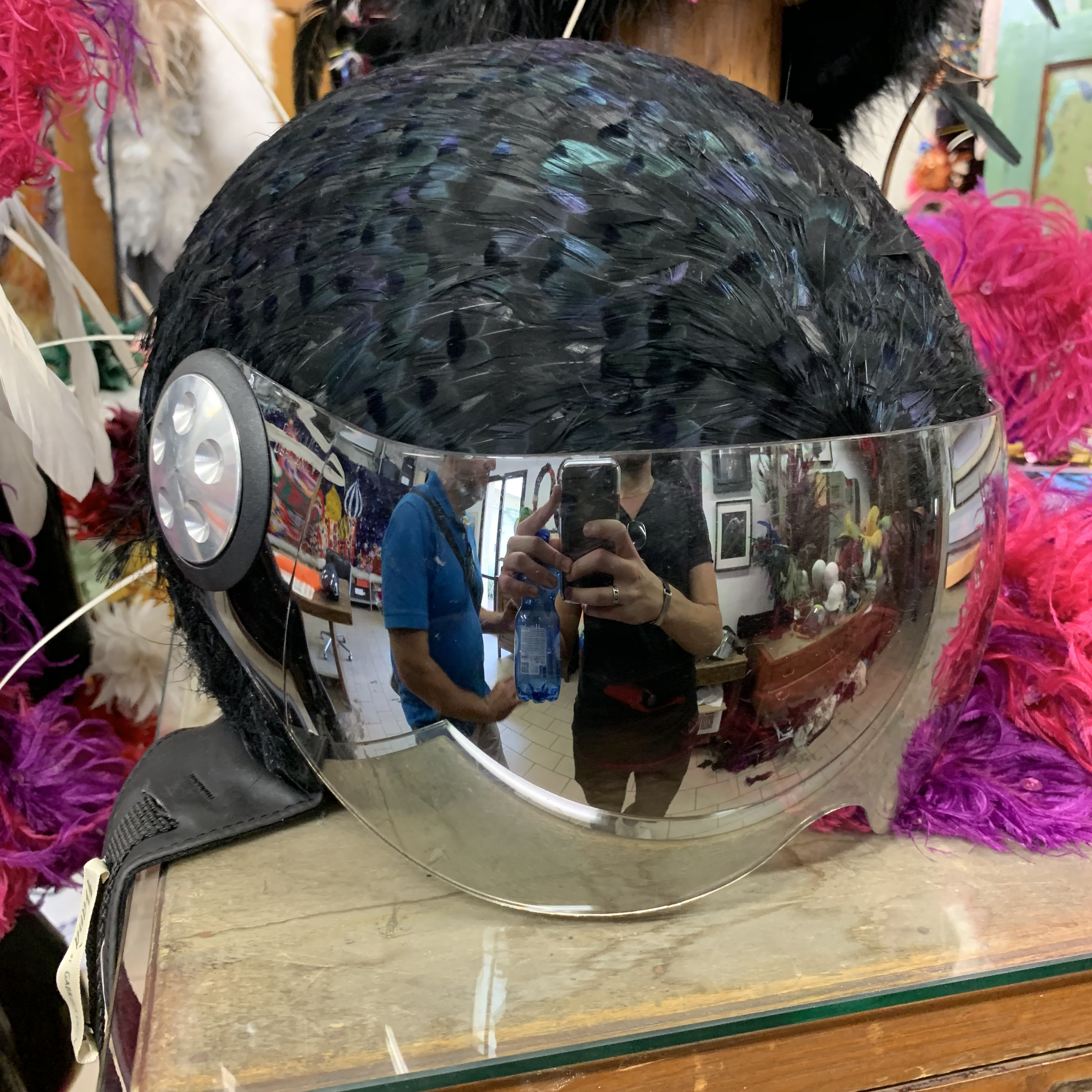
My class was able to capture really cool pictures as we all wore hats from the manufacturer. One thing I found interesting were the custom pieces that Mazzanti Piume creates for their high-end designers’ celebrity clientele. One hat we were able to try on was originally designed to be worn by singer and songwriter Lady Gaga. Other notable pieces from here were designed for Versace that were worn on Kylie and Kendall Jenner at the 2019 Met Gala.
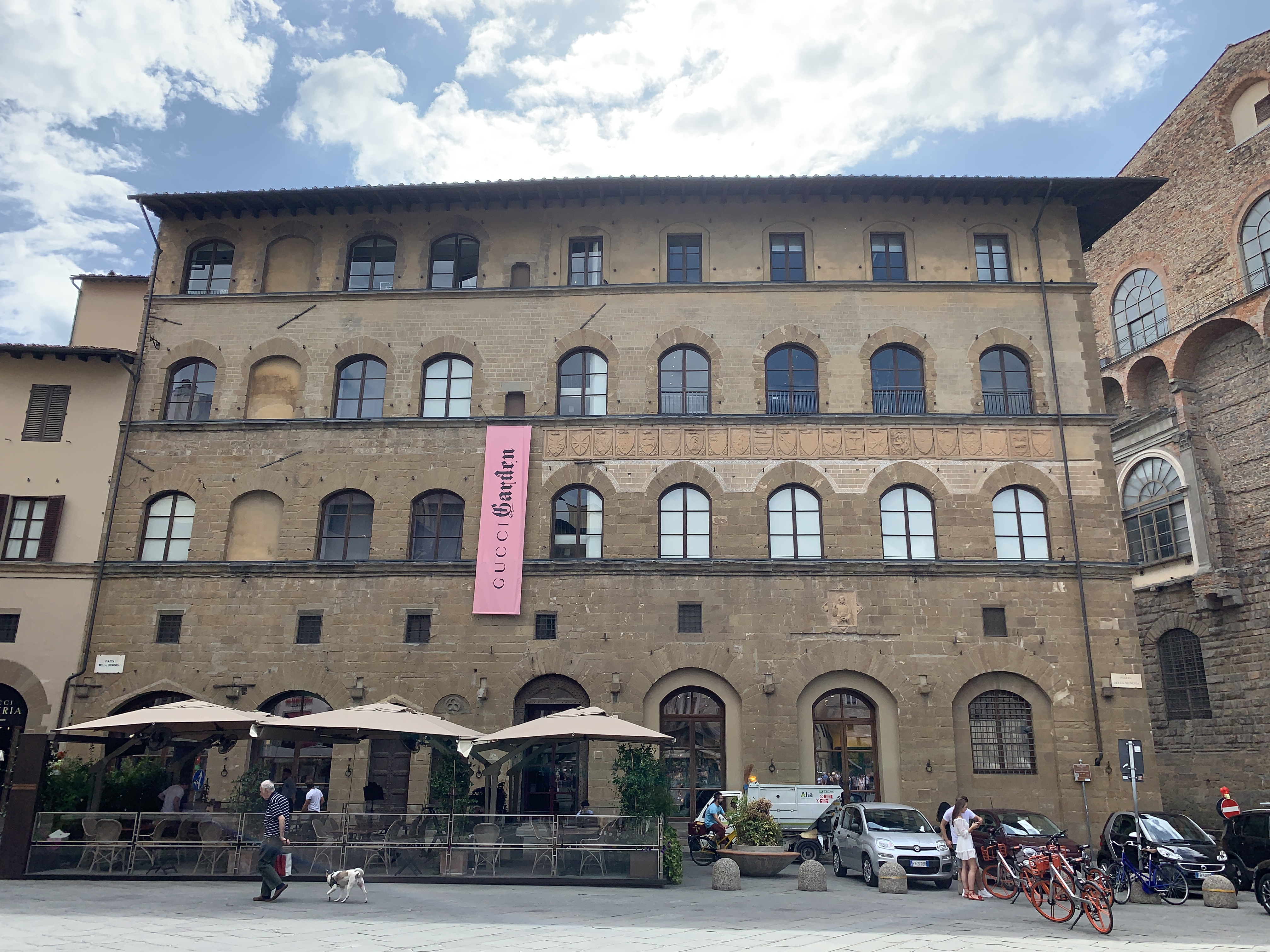
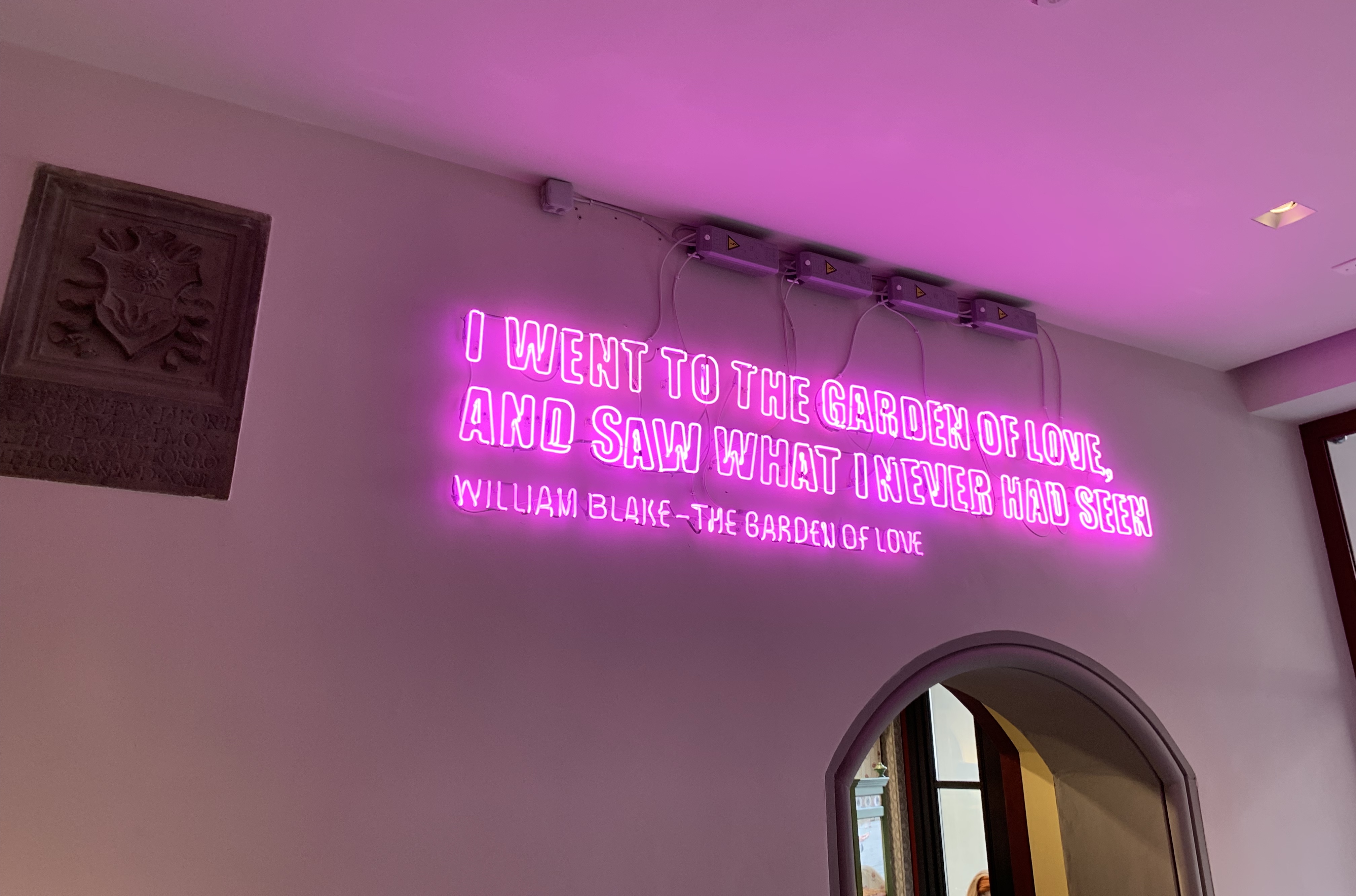
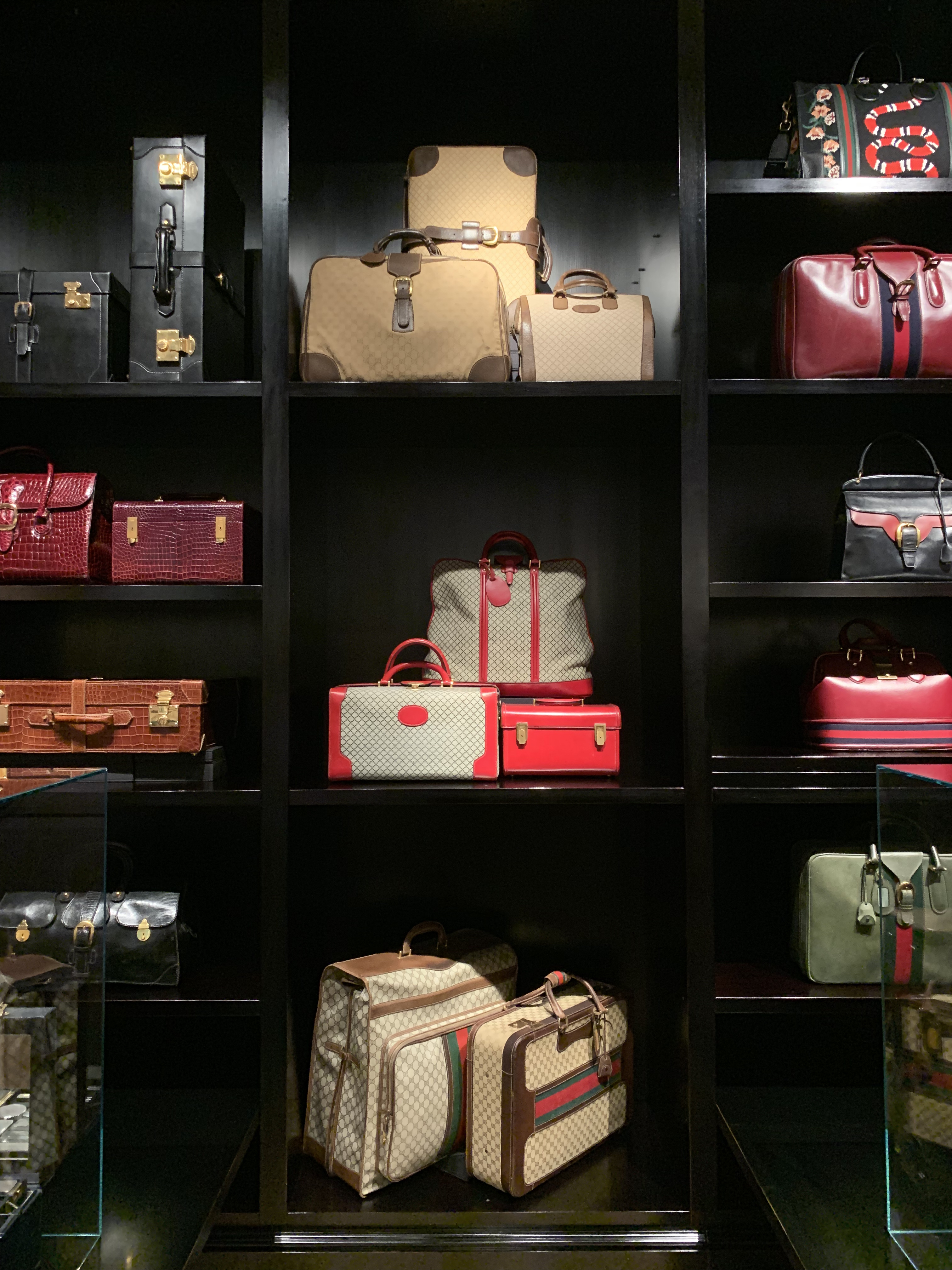
The final visit during our Johnson & Wales University Study Abroad program I will be talking about here is Gucci Garden. Gucci Garden is a museum and gallery in Florence that showcases Gucci pieces from the beginning in the company’s founding in 1921, in between merchandise, and others made today.
Bags!
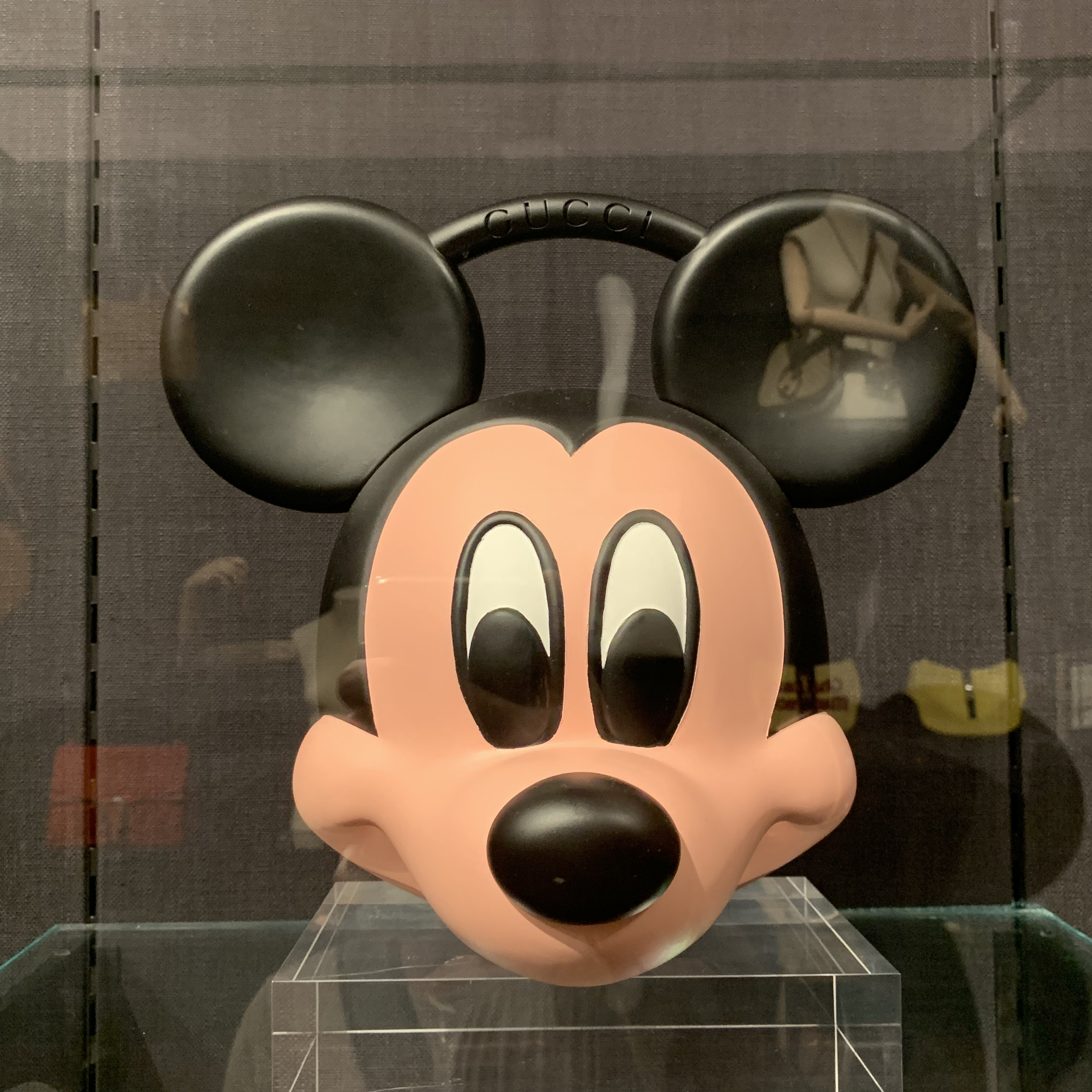
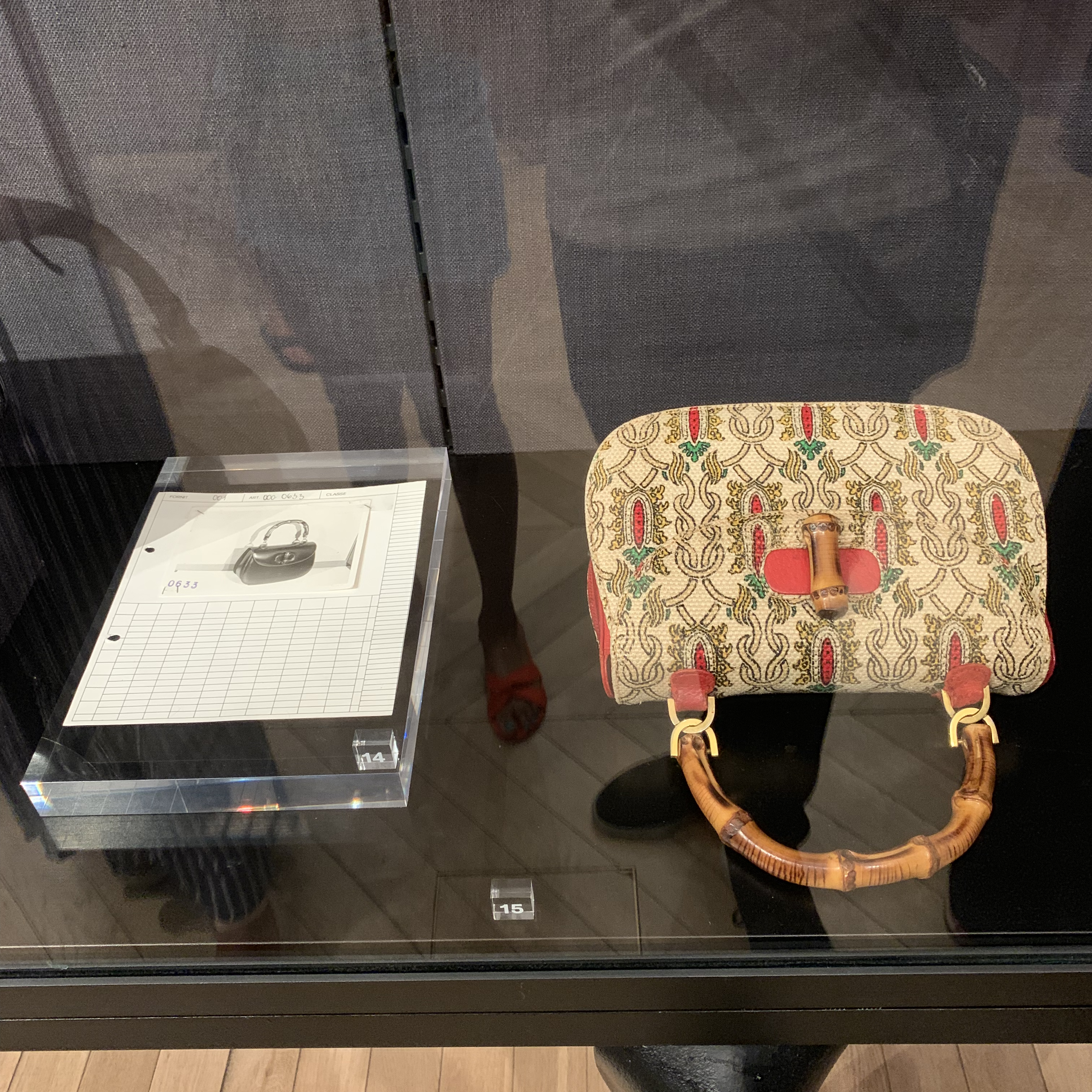
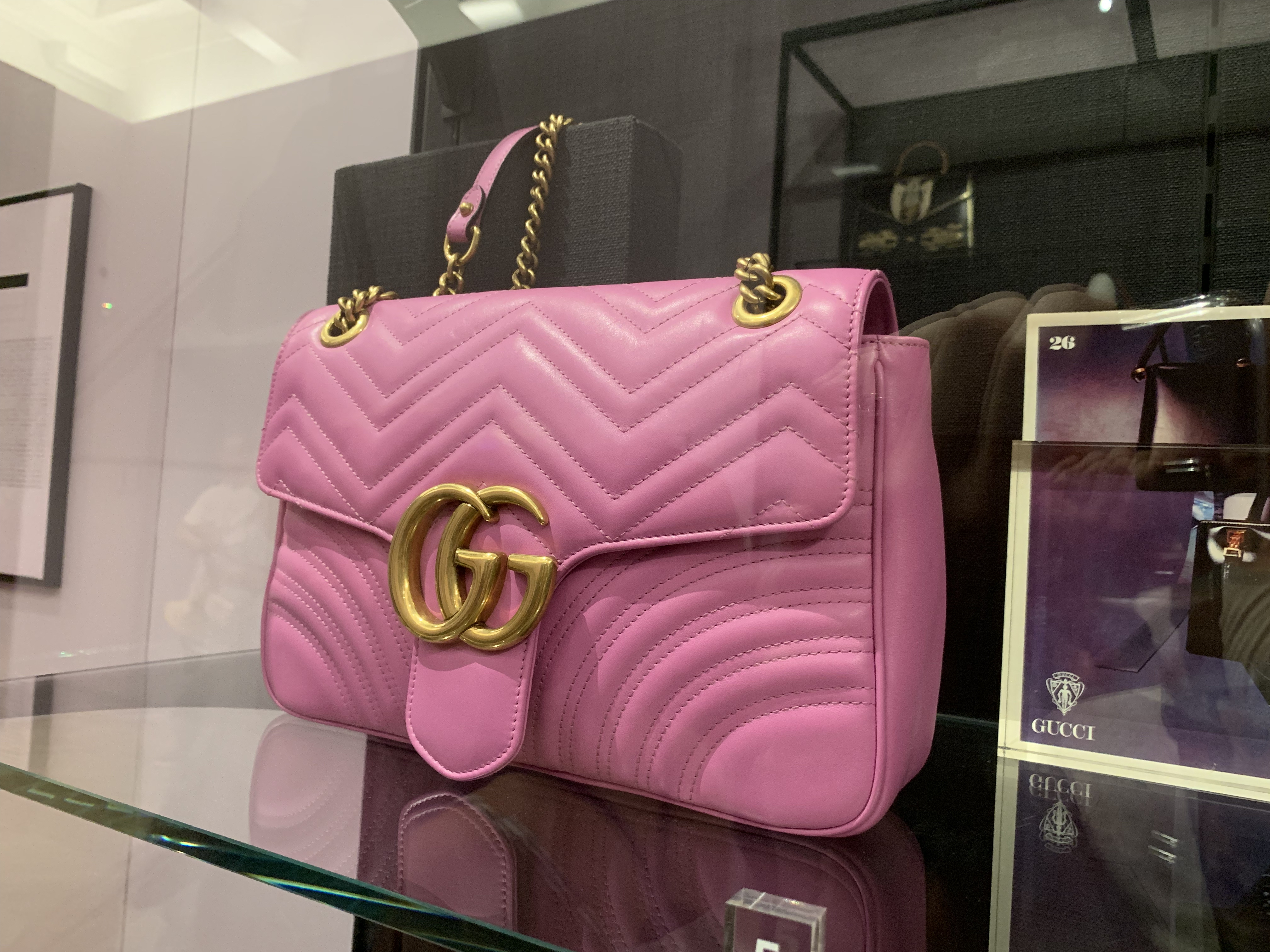
Some of the bags in Gucci Garden’s collection include ones such as one with a bamboo handle. Items made during the time period in this bag’s production were composed of different materials as the scarcity of typically used ones was at a high. Other bags include the Mickey Mouse bag from Gucci’s Disney collaboration, antique travel luggage, as well as today’s bag the Marmont with Gucci’s commonly seen double G closure.
Paintings
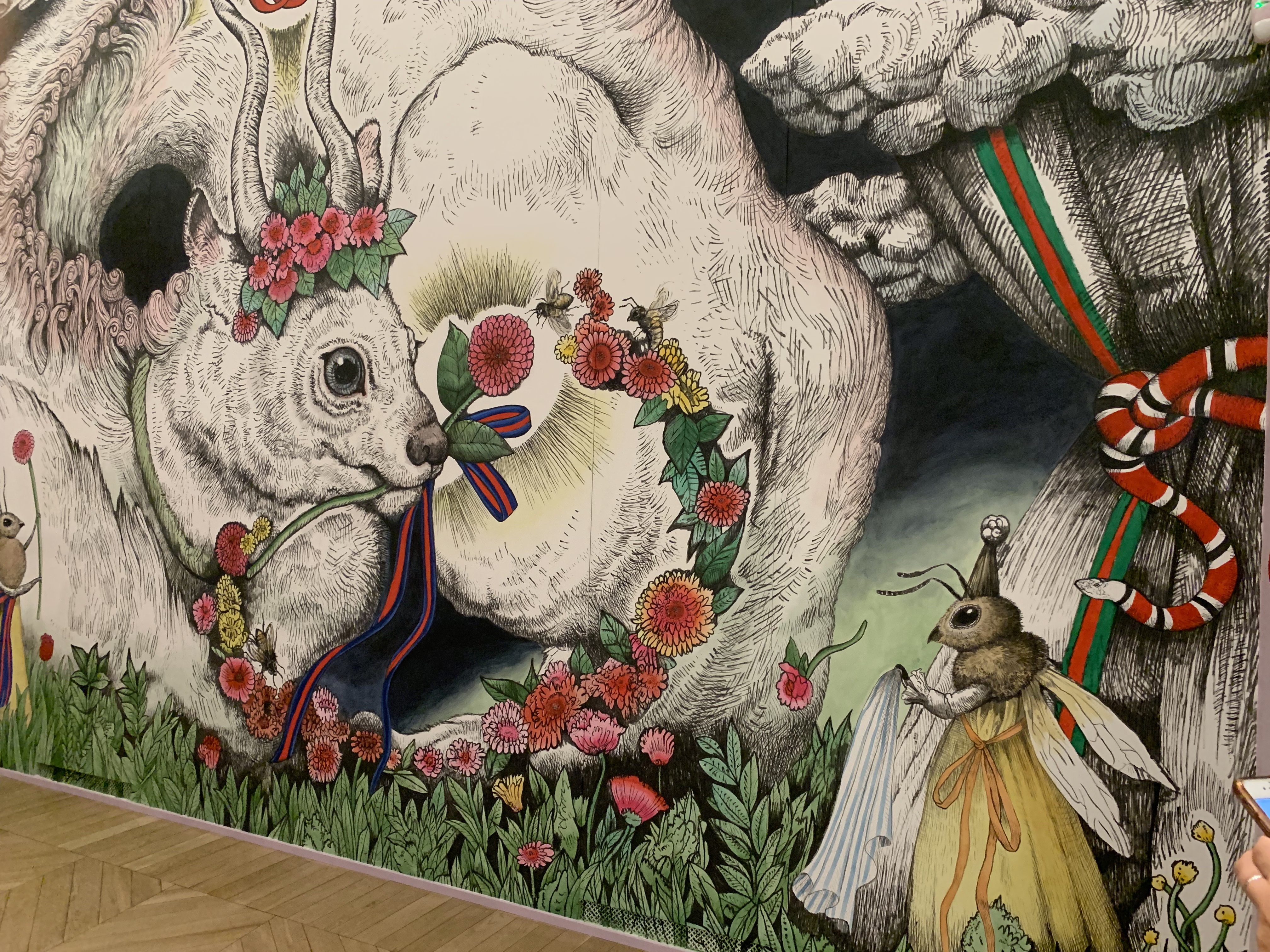
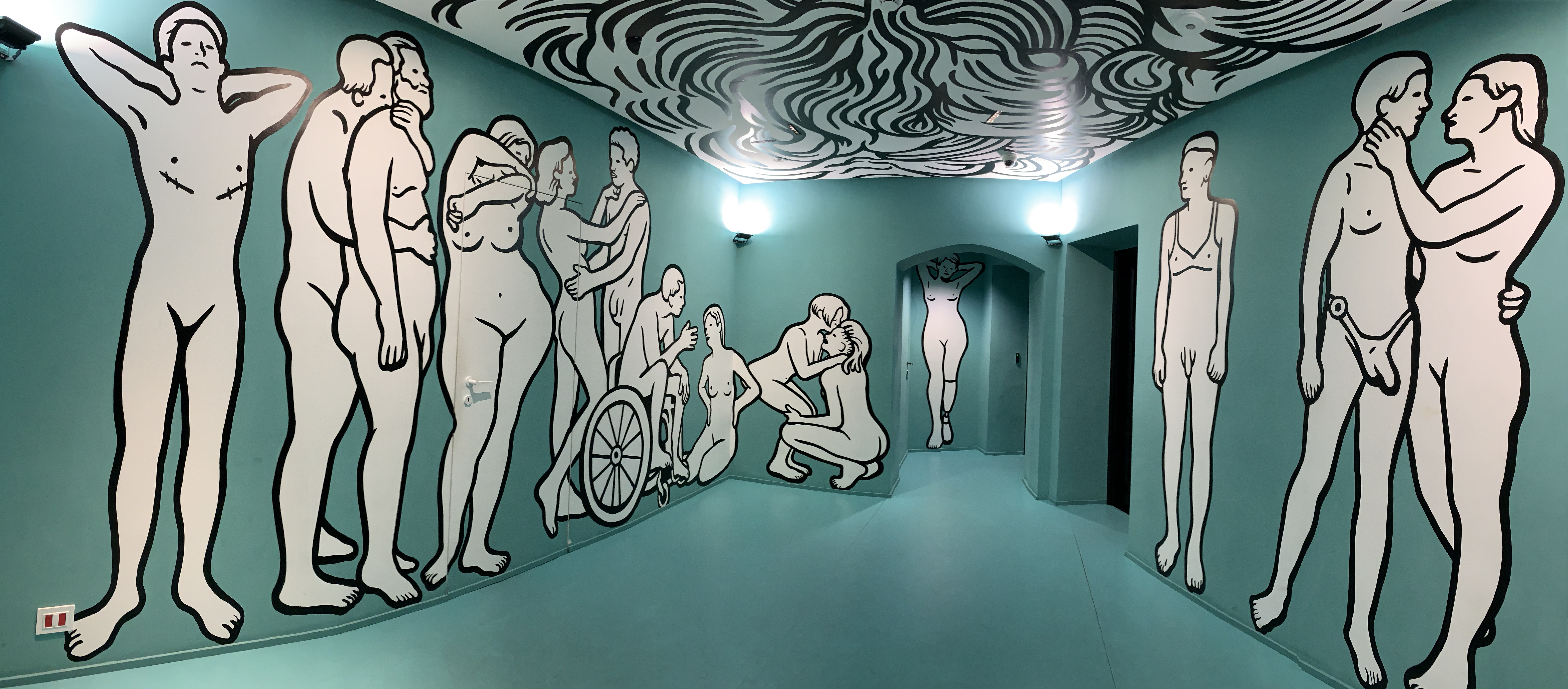
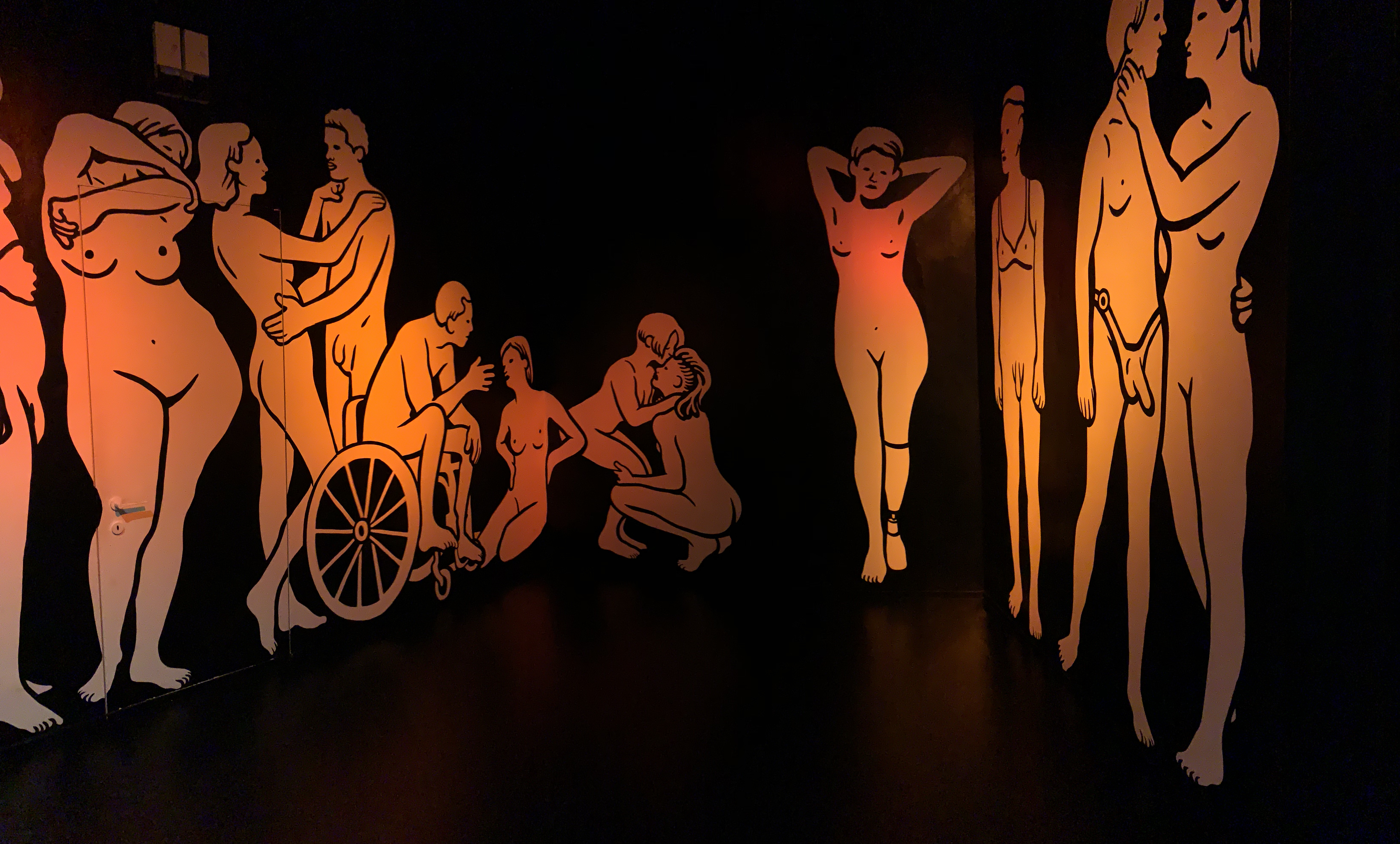
Gucci Garden has many paintings throughout the gallery. One of these has animals that Gucci incorporates into their products. Our tour guide talked about what each animal represented for the company. The bee, represents teamwork. Bees are known to help each other as a team and treating the queen in the hive. The other paintings I absolutely loved! These paintings were completed from a private outside artist who painted nude people to that represent the idea of quality. There are paintings of transgender, disabled, LGBTQ couples, and straight couples all throughout the room. The same painting is displayed in two different rooms with different color ways. Each color creates a different effect. The black and red set made the painting feel deep, and had me thinking deeply. The green and white painting was more open and happy, and almost put a smile on my face.
Overall, my takeaway is that Gucci Garden is in fact, not a museum, but a museum and gallery. The combination of paintings that are revamped every 6 months with merchandise since 1921 until today, really sets a new level to a company’s showcasing methodology. I enjoyed Gucci Garden more than Salvatore Ferragamo for some reasons, but vice versa. SF’s focus on sustainability was a new experience for me that Gucci did not detail, however the merchandise that Gucci showed pertained more the brand itself.
This weekend I had the opportunity to go back and visit Milan. My last visit was not the most exciting, as I was super jetlagged and stayed near my airbnb for two nights. This time around, I did more exploring with a few classmates, and discovered new areas where I blended in well with other tourists from around the world.
Fashion Walk-Through
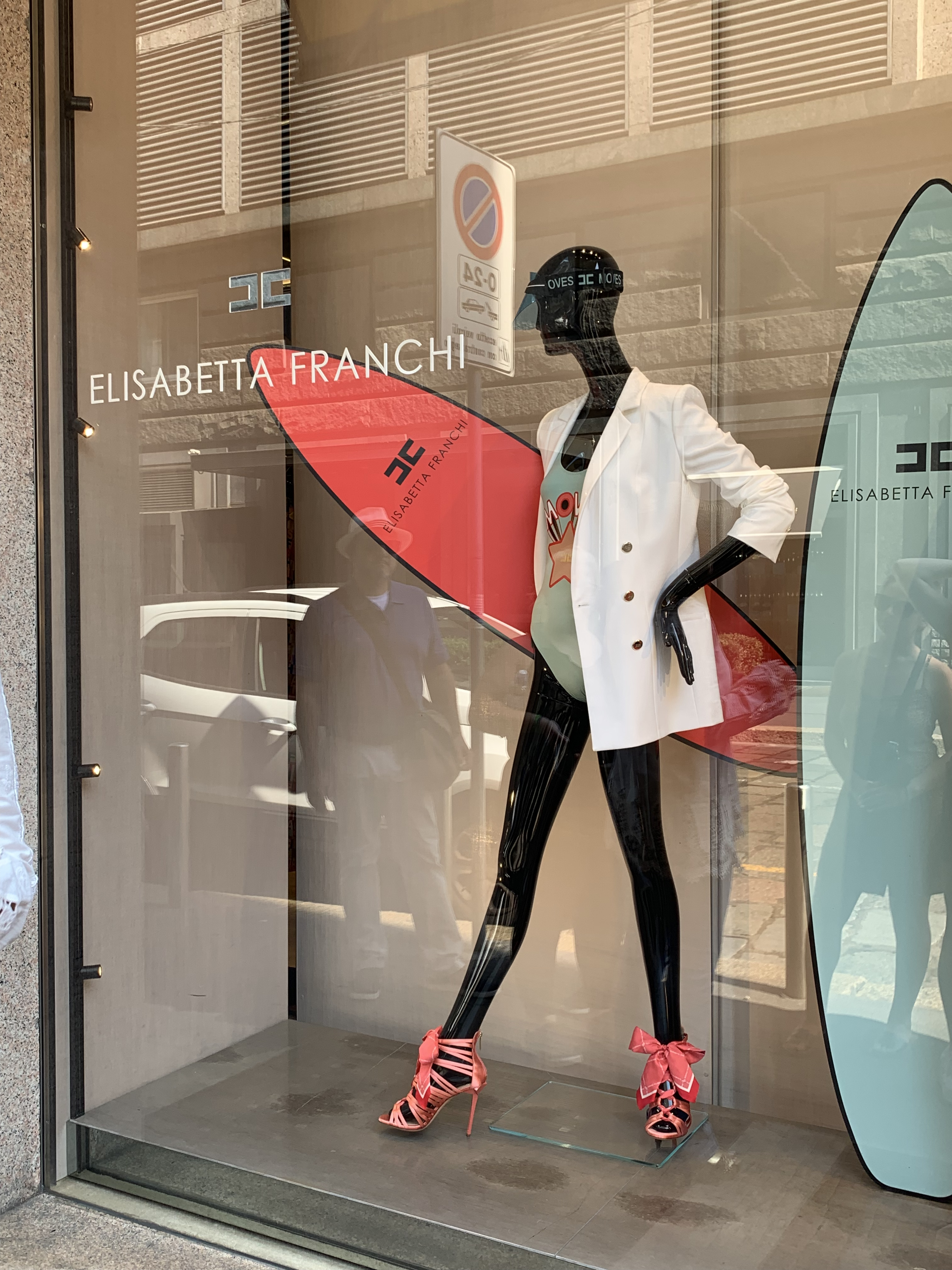
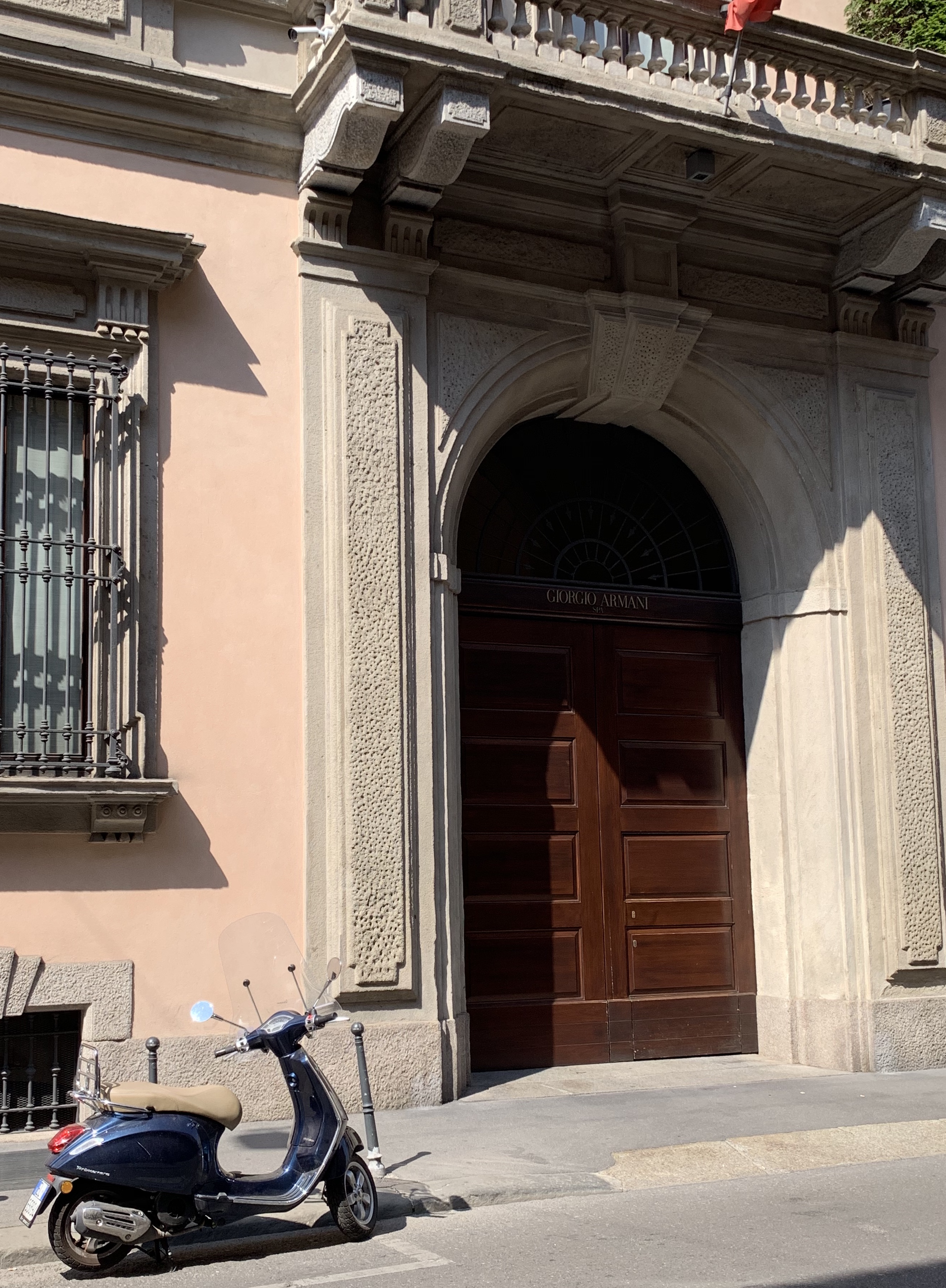
With our FUA guide Guiya, we met another guide in Milan who brought us through different streets directly off from the train station that showed different Italian retailers not available in the US, along with well known designers that had not one, but two or three locations within walking distance in Milan. Some of these known designers inlcude Hermes, Louis Vuitton, Michael Kors, Versace, Chanel, Burberry, etc. Many of these up and coming designers I found to be interesting as they take inspiration from these top designers. One store developed neoprene purses to withstand rain. The style of the bags reminded me much of the Hermes birkin. Other stores implemented on trend styles and colors that many other retailers accomoplish themselves, but its more about the exclusivity to Italy.
Architecture
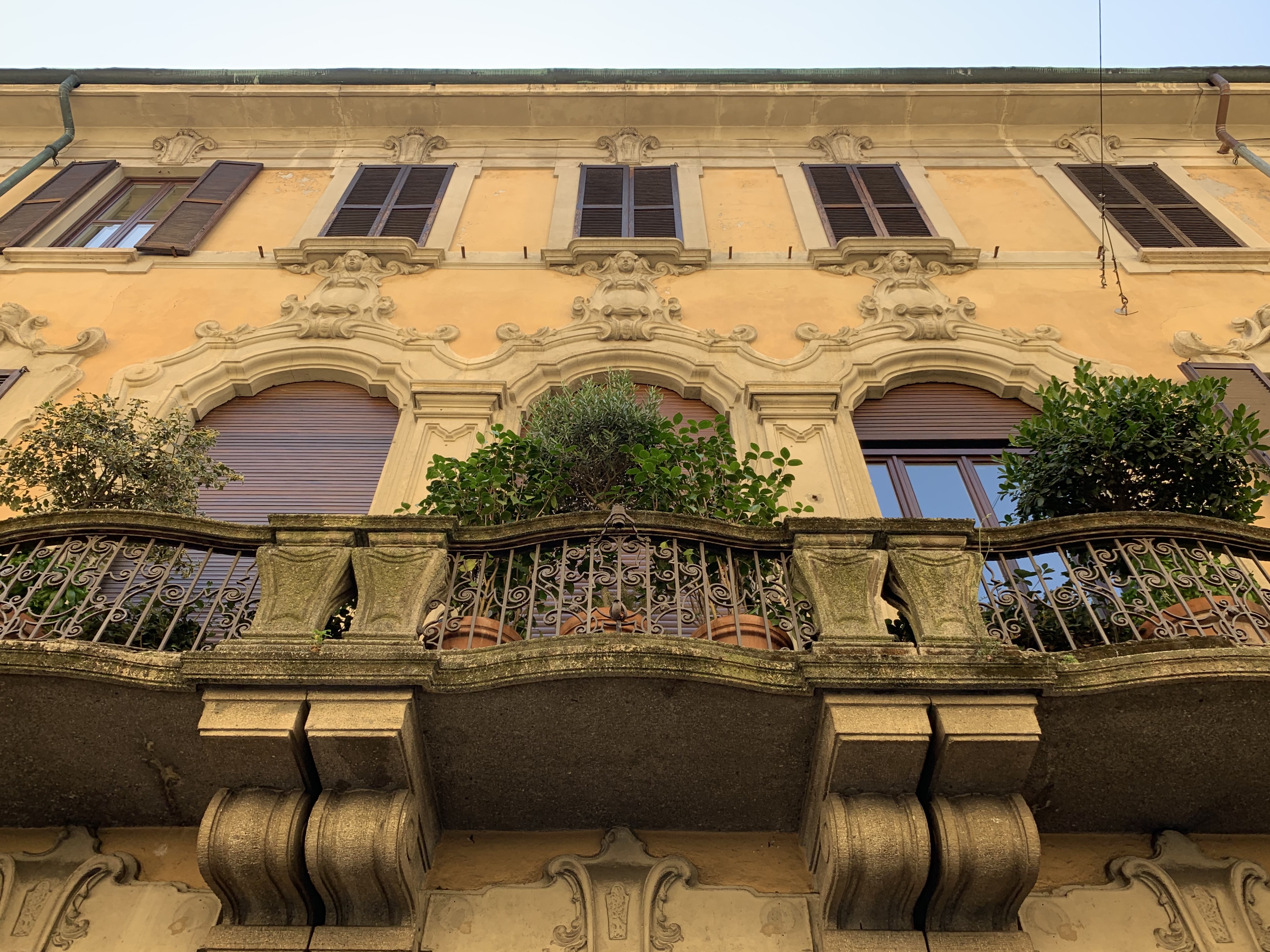
Many of the buildings here in Milan are housed to fashion brands based off the walk we had. Few places showed any signs of greenery as we were in the heart of Milan. Similar to Florence, I notice a lot of places dual as both retail shops and what I assume to be homes or other businesses above.
Other Places
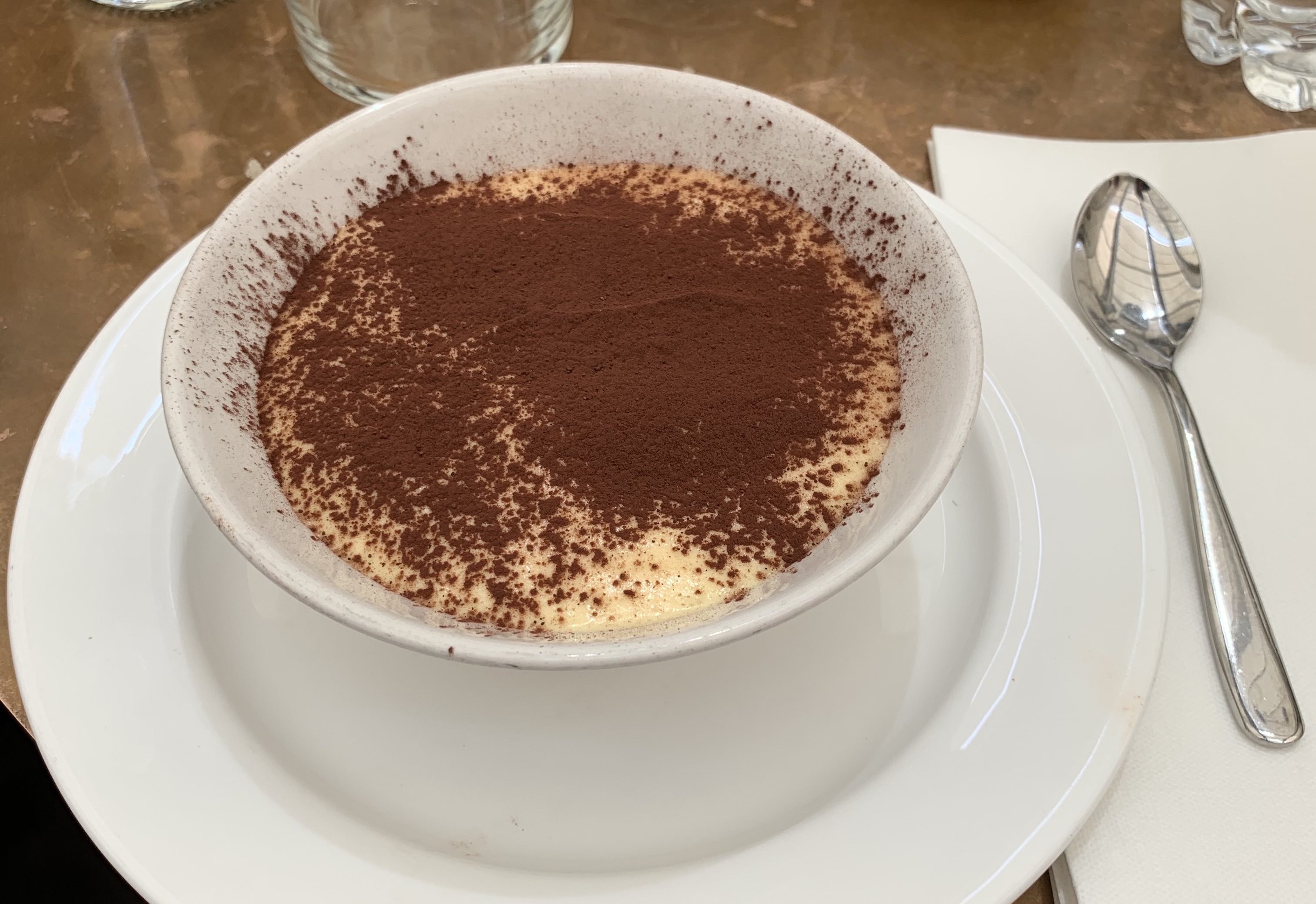
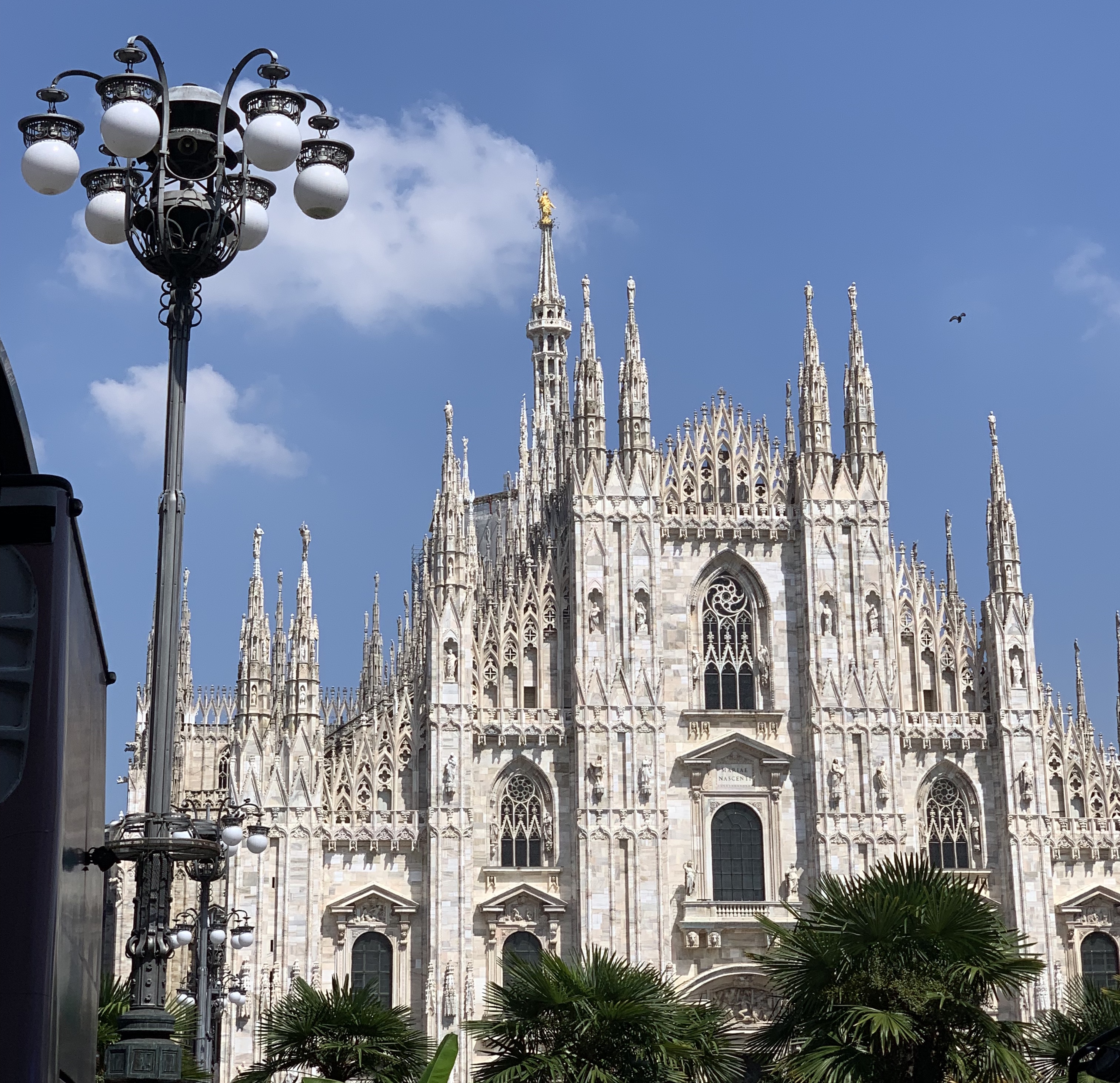
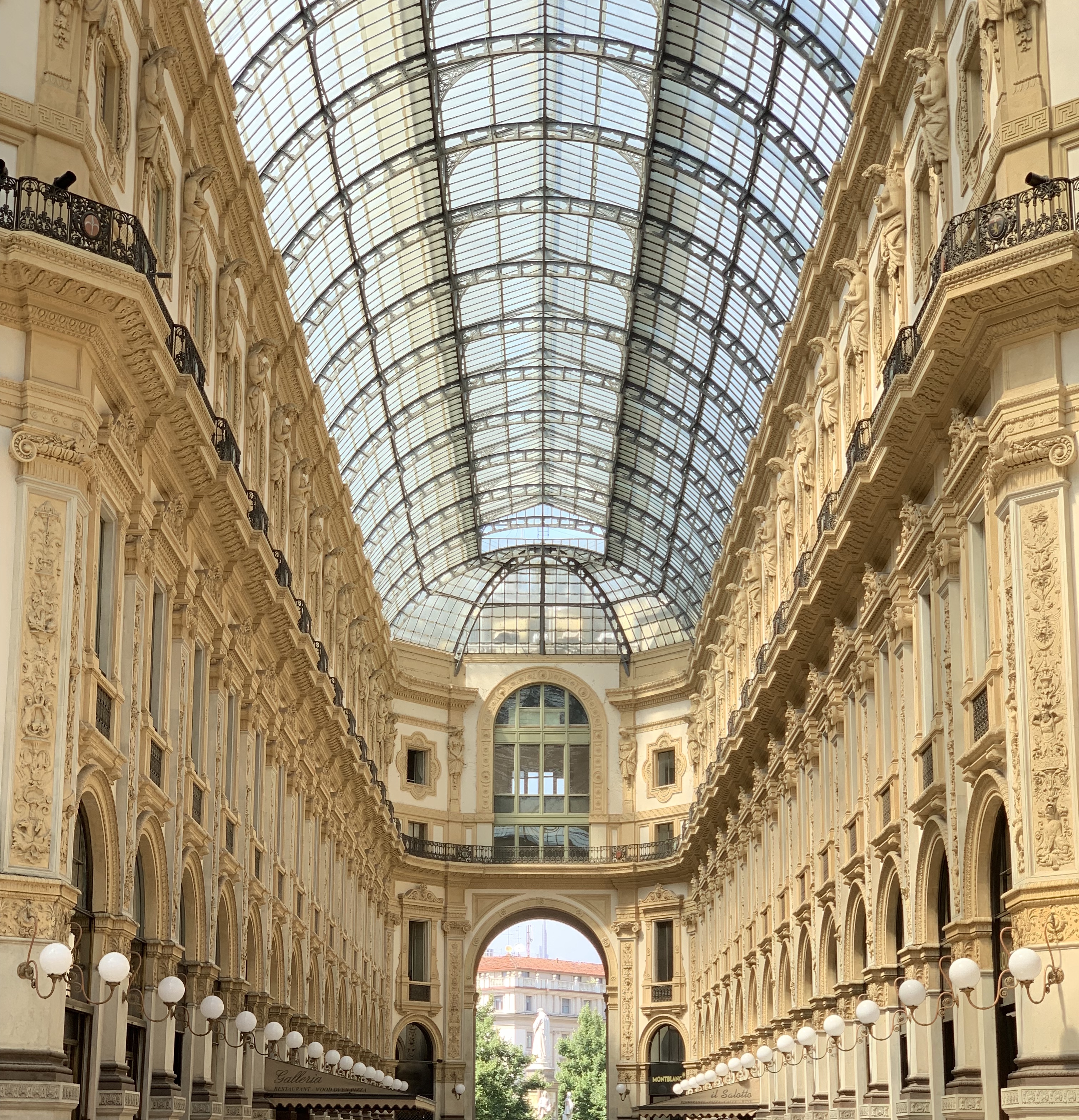
Some other places I walked to after the tour include Galleria Vittorio Emanuele II, which is the outdoor, roof covered shopping mall that houses high end fashion brands, and of course the cathedral. I decided to venture off to what I thought was going to be a brick and mortar location of my job as a stylist back in Massachusetts at AllSaints, however I put to waste a solid 45 minutes to find a small setup inside of a Coin department store of the brand. Prior to these excursions, we shared coffee, finger food and a delicious tiramisu shown way up above^.
On this trip, I went to an Italian manufacturer of luxury handmade brocade fabrics alongside my professor, other classmates and our FUA tour guide. I for one was expecting another museum visit that certainly would not wake me up well in the morning. However, this was not the case!
Early on Designer Collabs
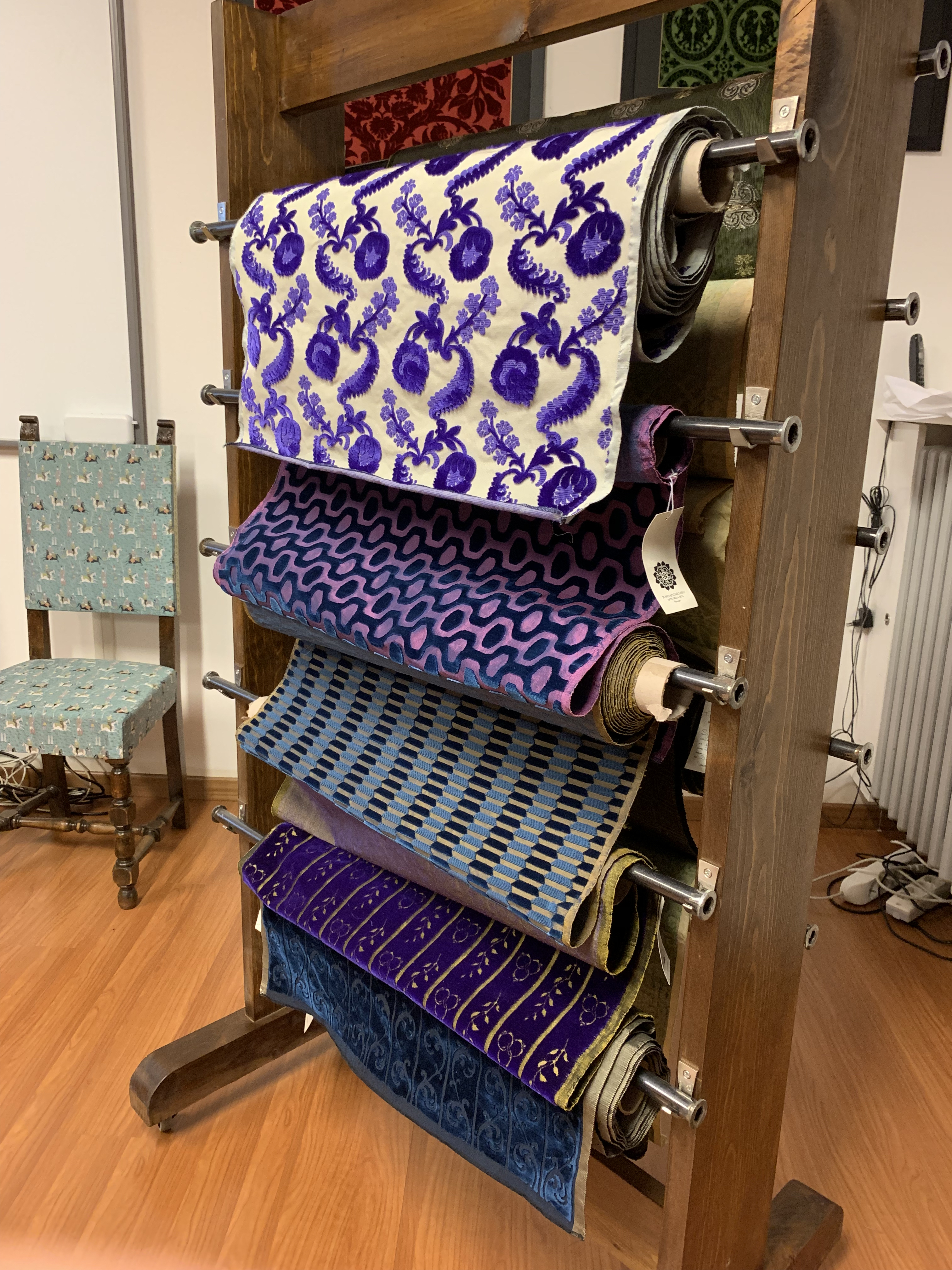
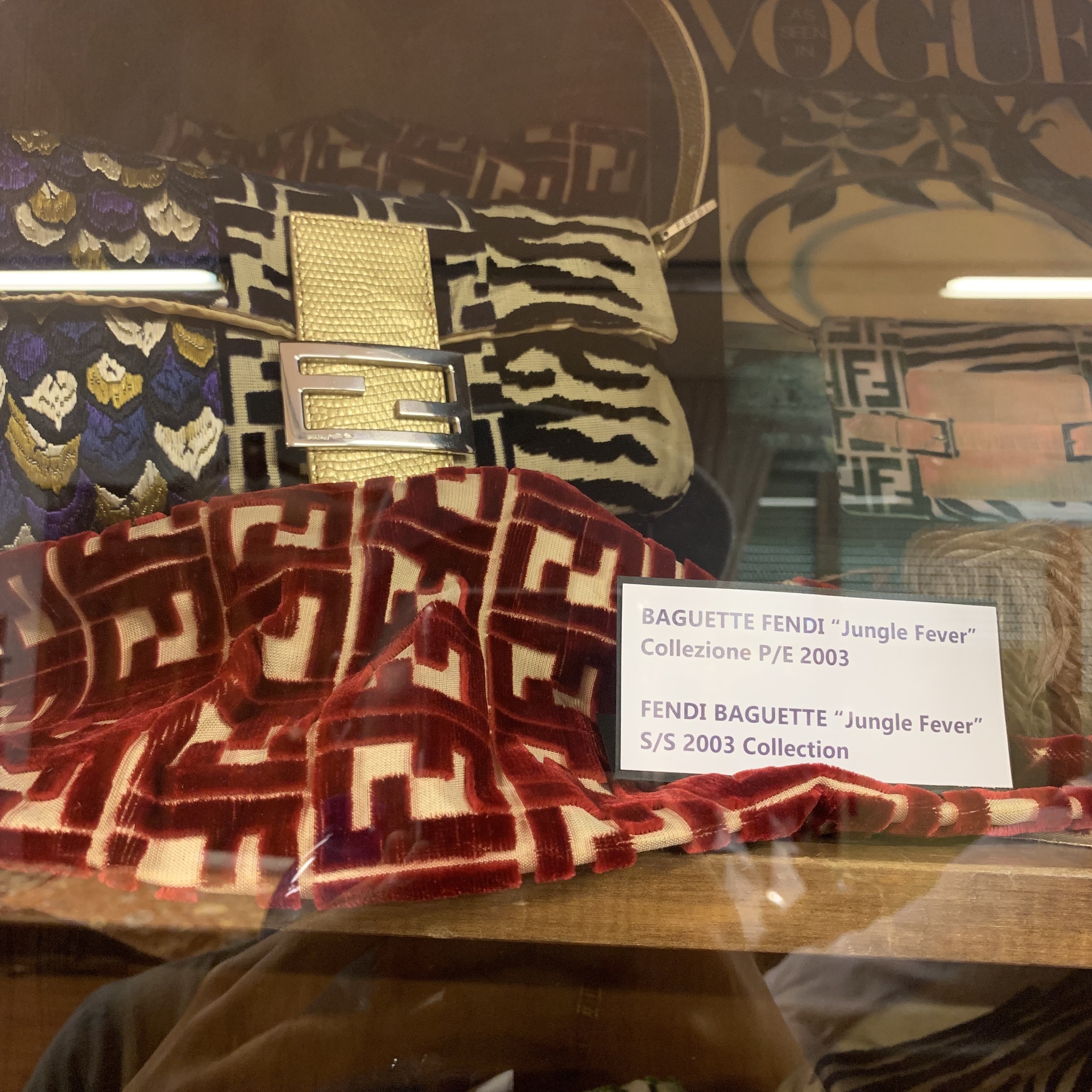
From the start, our guide at Museo dell’Arte della Lana introduced to us what exactly the company does. They are indeed a luxury brocade manufacturer that dates back to the mid 19th century when wood wool mills began popping up. I am not going to bore anyone with a history lesson, but it’s pretty old stuff! Many of these brocades and other softer fabrics were desirable in the late 90’s and early 2000’s. Some designers that collaborated with the company for production of merchandise include Fendi, Valentino, and Gucci.
The Hands on Experience
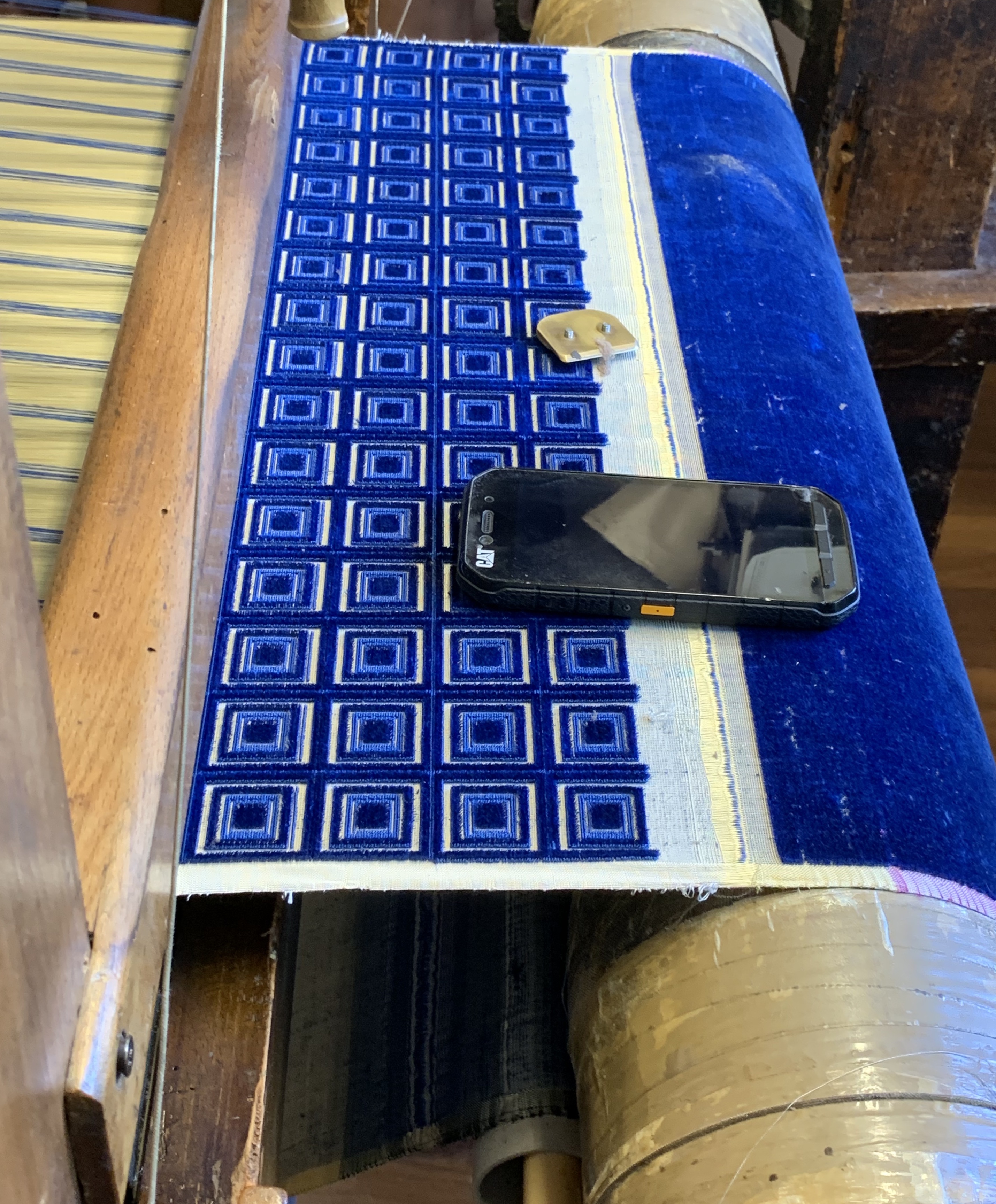
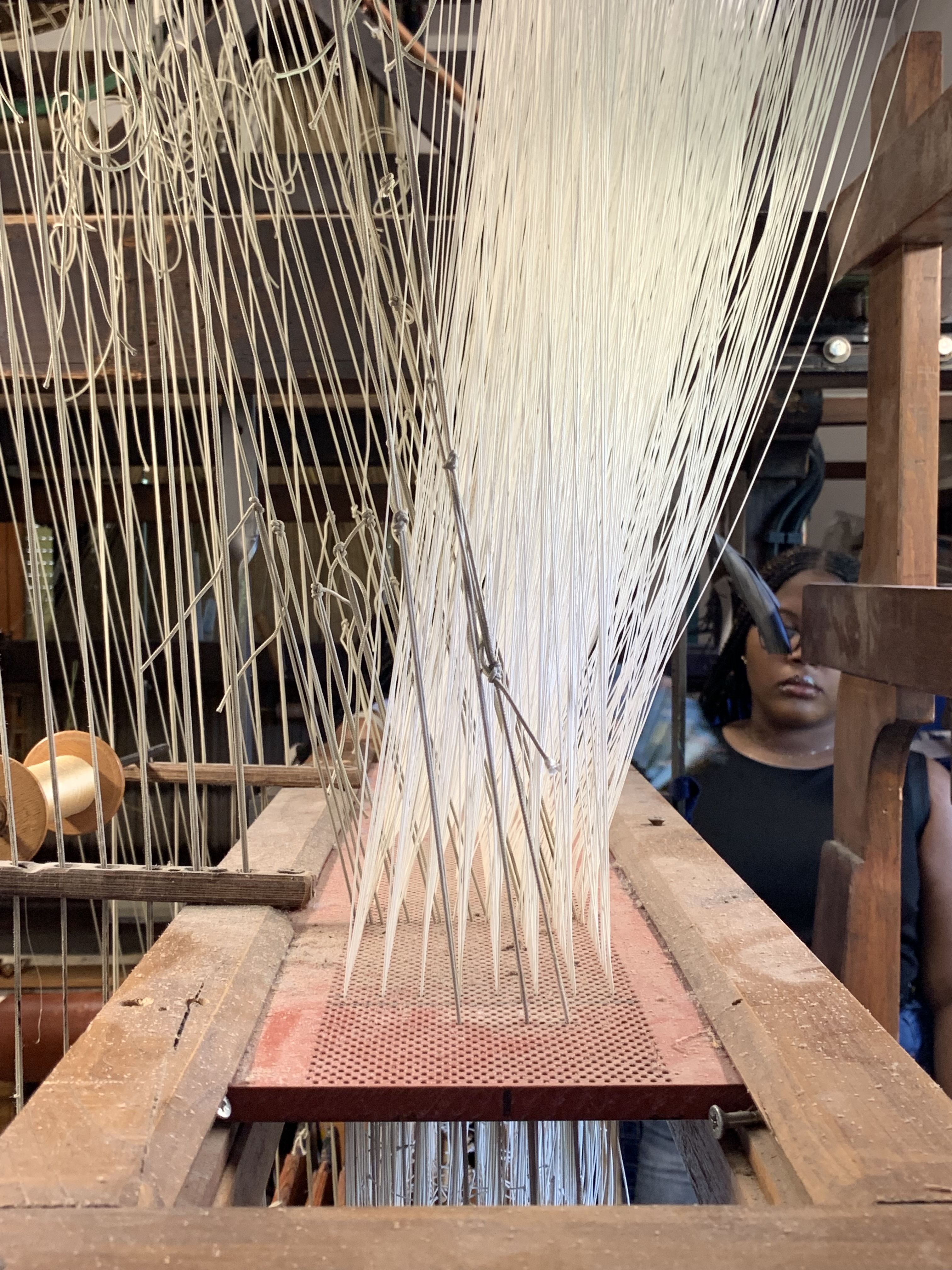
More of a hands on experience at Museo dell’Arte della Lana than an actual museum visit, we were able to see what exactly goes on in the manufacturing process of brocades. To my surprise, our guide informed us how little brocade is made each day. She went with her fingers to show us the approximate length, which appeared in my eyes to be, maybe, 6 inches. The process is tricky as you cannot mess up and go back easily. The handmade fabric I saw being made on each wood mill were brocades being manufactured to reupholster a 300 year old royal palace in Dresden, Germany. Royal.. palace.. German.. I’m half German!
“There is no limit to beauty, no saturation point in design, no end to the material.” –Salvatore Ferragamo
26 June 2019
One key brand element that every fashion house has is a logo. Logos create a common connection between consumer and brand, and make merchandise easily identifiable. What if as a designer, we thought deeper into our products other than aesthetic? One brand element that maybe is not the most recognizable, but definitely increasingly important over years to come in fashion, is sustainability.
I was incredibly fortunate enough to visit Museo Salvatore Ferragamo as my first field visit. Upon walking in the museum, I noticed how different walking down steps to the reception desk was in comparison to other museum visits in the U.S. have been for me before. As I made my way to the desk beside my professor and classmates, I could not help but keep my eyes less pointed up, but down onto the floor. The floor had a different, pliable, fabric-like material composition I assumed to be of leather. But, you all know what happens when you assume, right?
Front reception desk at Museo Salvatore Ferragamo.
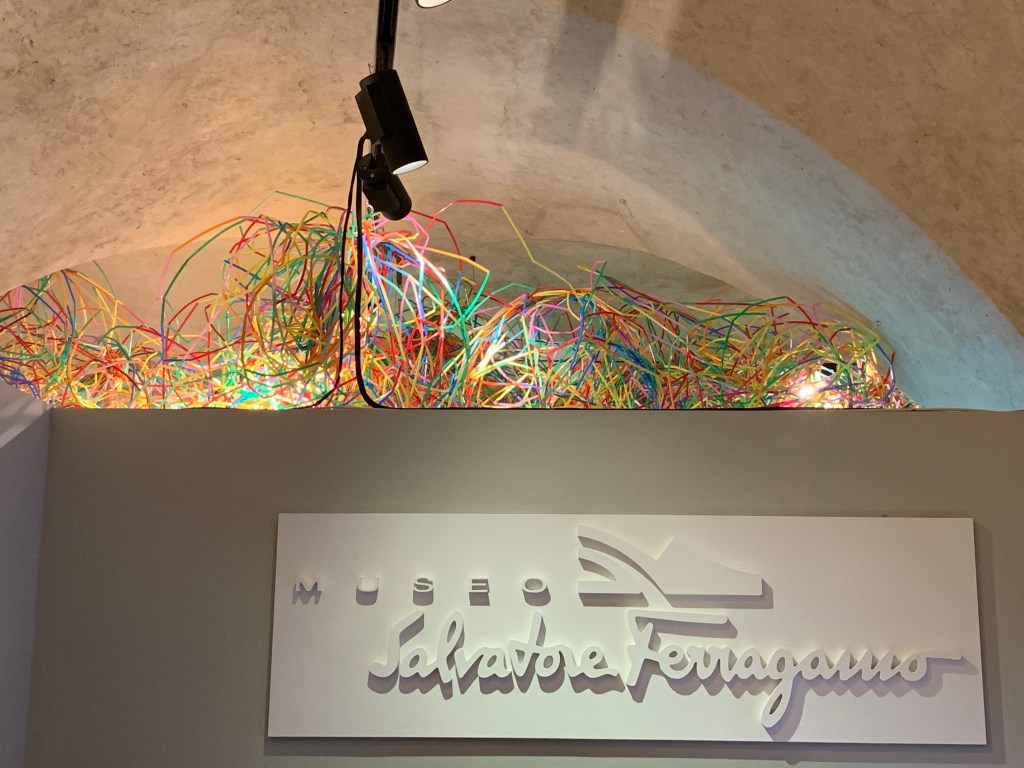
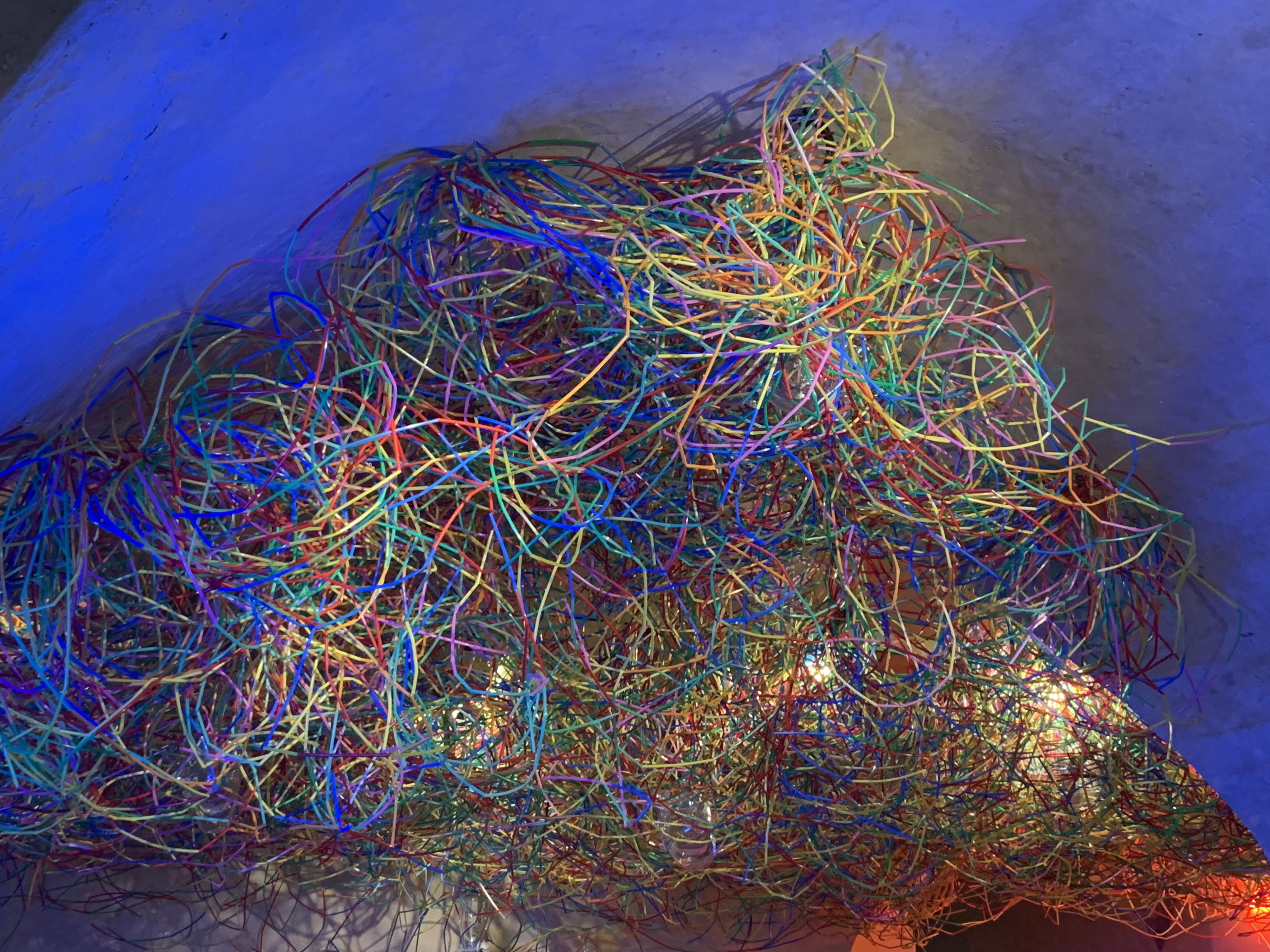
We were assigned a tour guide, who I foolishly forget the name of, and she began to speak with us students and guide us through the museum. Looking up at the ceiling in the beginning, thousands of plastic straws hung from up above, with glass sculptures of what I perceived as fish. This brought me to my attention of the current ocean cleanup taking place that involves removal of plastic and other non-biodegradable materials from the ocean. The next exhibit that placed a memory in my mind was the archival room. This room featured archival books, prototype models of shoes and heels from Salvatore Ferragamo. Some of his original shoes were made of fish scales. He used this material as living in Florence during the War, he did not have such access to leathers and modern technology of newer fabrics.
Plastic straws.
As we continued, another part of the museum that captured my eye was the use of a new, innovative way of dyeing apparel. The GRAPHI-TEE technology allows garments to be dyed via a powder method using graphite powder. I completed a researched presentation on sustainability of fashion brands. After the industrial revolution, there are many present effects of modern day fashion brands that cause pollution and toxins to be released into the world’s environment. One of these acts includes the dyeing processes that many fast fashion chains cause, as majority of toxic dyes to remain in water. This method described at the museum makes me wonder about the future of sustainability in the fashion world.
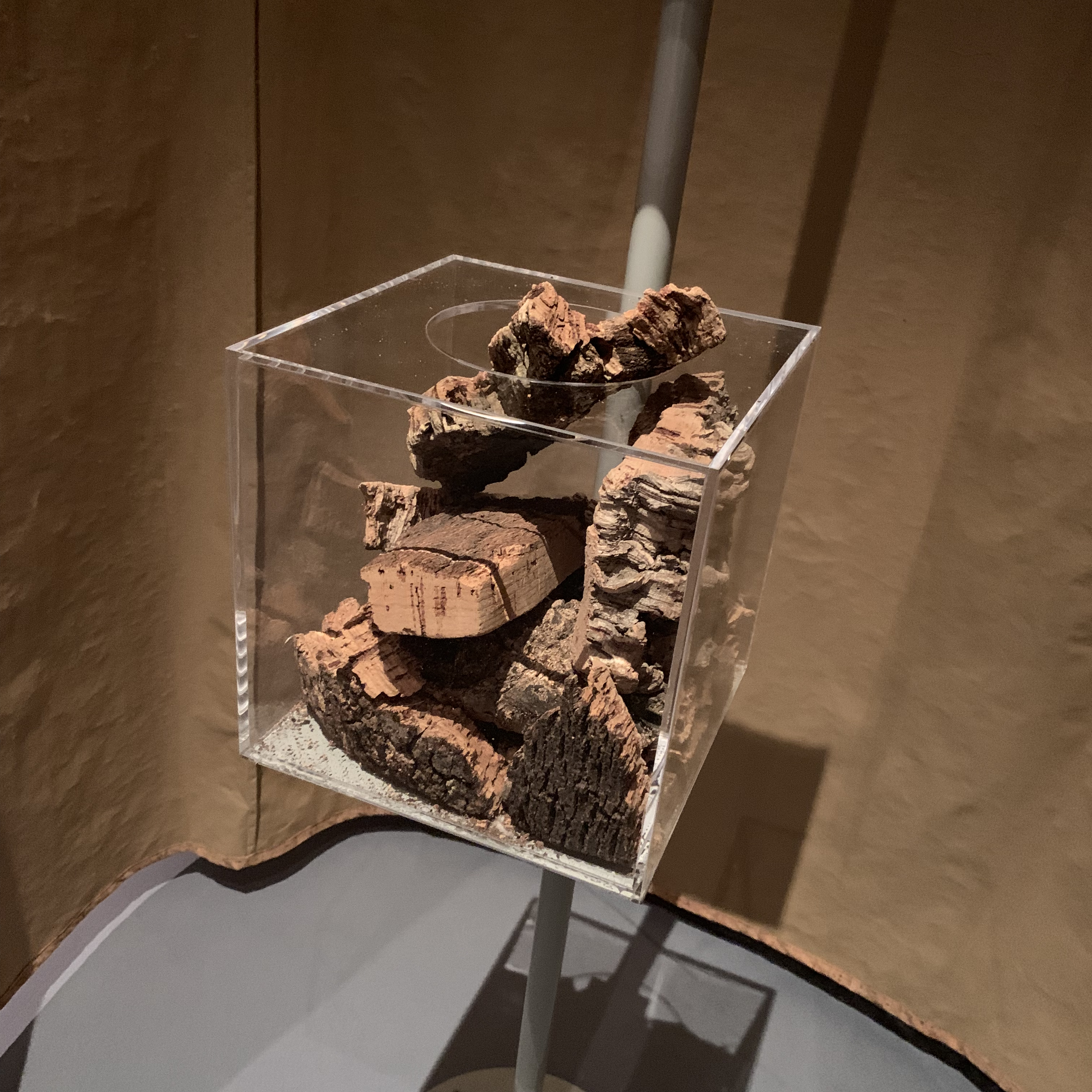
Finally, the last exhibit full of different displays featured interesting materials that guests were allowed to handle. One that the tour guide handed to me was cork. I found it to be light, and woody. The fun fact is that cork is made from wood, and the display along with other fabrics and materials in the room, had a tall sheet of the finished cork from floor to ceiling that wrapped around an acrylic box on an eye level stand filled with the raw pieces.
Cork box display.
Overall, I truly enjoyed the Museo Salvatore Ferragamo visit. To my surprise, many of Ferragamo’s, and other designers’ works did not grasp my attention as well as the processes and sustainability of using natural resources for fashion materials did. Towards the end of the tour, our tour guide mentioned that the floor I admired from the beginning was composed of recycled material. As the U.S. houses a plethora of fast fashion chains such as H&M, Forever 21, Zara, Rainbow to name a few, it makes me wonder the difference behind the scenes with American fashion as opposed to processes of European apparel. One day I will be back here to see updates on sustainability in correlation with fashion, especially if the U.S. does not seem to catch up to these ideas!

 Alec Schlotfeldt's Study Abroad Blog: Fashion in Italy